The USDA threw the grain markets for a loop after releasing a slew of market data on Monday.
CORN
The report numbers surprised the market after the USDA raised its 2025 corn production estimate to more than 17 billion bushels due to a bump in corn yield to 186.5 bushels per acre. Additionally, harvested acreage was raised by 1.3 million acres to 91.3 million. Total production is expected to have exceeded the prior record set in 2023 by 1.7 billion bushels.
On the demand side, feed and residual usage was raised by 100 million bushels from December to 6.2 billion. It was surprising that the export forecast wasn’t raised instead due to the current pace shown in the latest export sales data.
The 2025/26 corn carryout was raised by nearly 198 million bushels to 2.227 billion, the highest since the 2016/17 marketing year. The stocks-to-use ratio, which measures the relationship between supply and demand, rose to 13.6 percent, the highest since 2019/20.

World corn ending stocks were raised significantly this month due to higher U.S. supplies. The global carryout was raised to 290.9 million metric tons (MMT), up 11.7 million from December. Sharply higher corn stocks were also reported for China.
The USDA’s Quarterly Grain Stocks report showed that Dec. 1 corn stockpiles rose to 13.28 billion bushels, up 10 percent from a year ago and a record. On-farm storage rose 14 percent from a year ago to 8.7 billion bushels. Producers hold a very large percentage of corn relative to total stocks, accounting for 65.5 percent of inventories.

March corn futures were trading higher to begin this morning’s session. Bearish report numbers took prices about 20 cents lower, with prices now testing the Oct. 14 low around $5.25 a bushel.
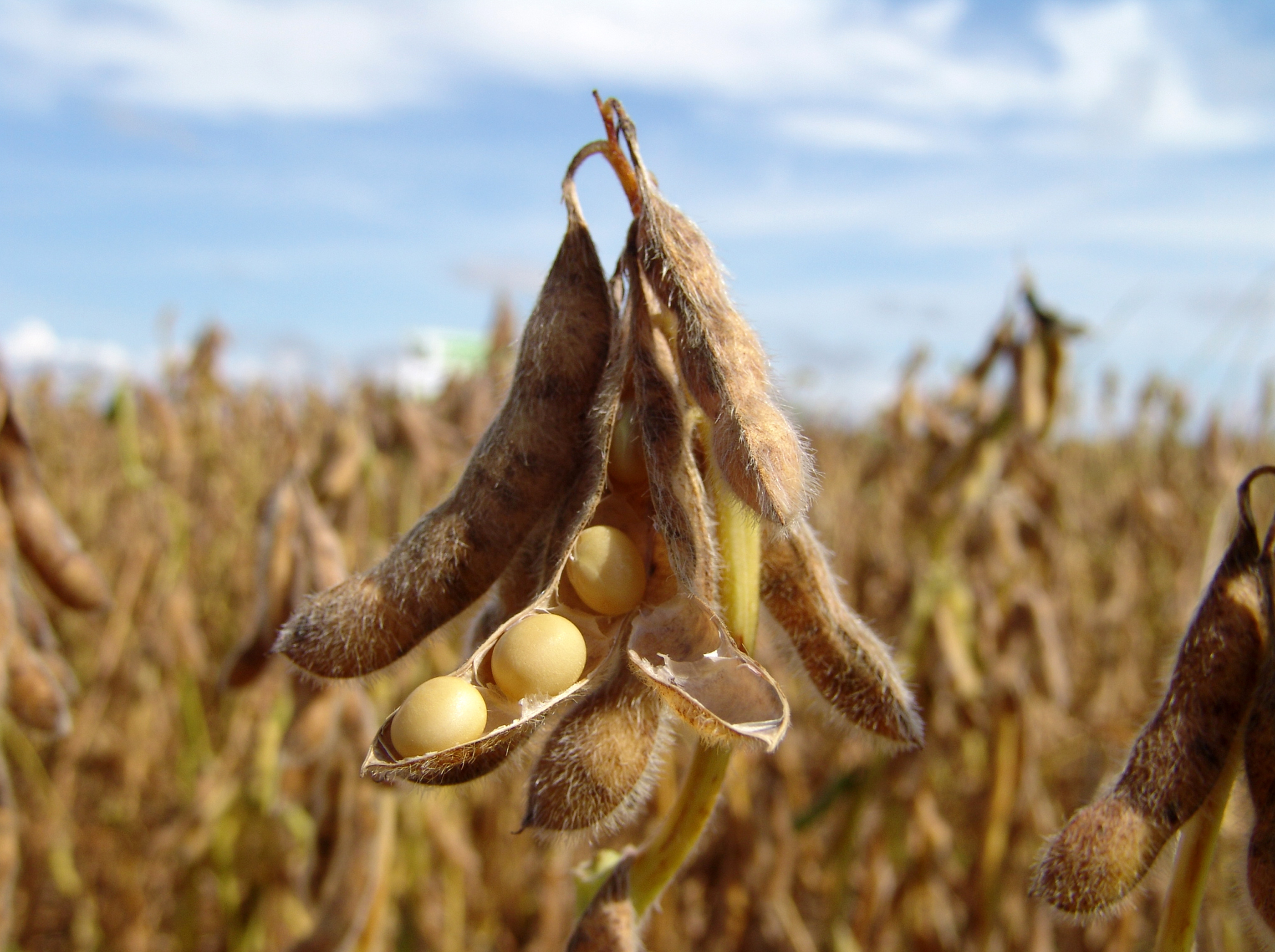
SOYBEANS
Like corn, the soybean market was surprised by higher-than-expected supply numbers.
The USDA left soybean yields unchanged at 53 bushels per acre, though the agency raised harvested acreage slightly to 80.4 million acres. Total production was raised to 4.262 billion bushels.
Soybean crush demand was raised by 15 million bushels to a record 2.57 billion. However, soybean exports were lowered by 60 million bushels to 1.575 billion. The reduction was due to higher supplies and exports from Brazil.
The 2025/26 carryout was raised to 350 million bushels as a result of lower demand. Stocks are now forecast at the highest since the 2019/20 season after initially being forecast to decline from last season. The stocks-to-use ratio was raised to 8.7 percent.

Soybean oil used for biofuels was lowered by 0.7 billion pounds to 14.8 billion due to lower-than-expected use to date and strong tallow use in recent months.
The USDA raised its Brazilian soybean production forecast to 178 MMT, up 3 million from the previous forecast due to better weather conditions for the growing season. Global soybean ending stocks were raised to 224.4 MMT, up 2 million from December. The increase was due to larger stocks for the U.S. and Brazil.
Dec. 1 soybean stocks totaled 3.29 billion bushels, up 6 percent from the previous year. On-farm stocks rose 2 percent to 1.58 billion bushels. Off-farm storage led the increase with a 10 percent boost to 1.71 billion bushels.
Soybean disappearance during the previous quarter totaled just 1.30 billion bushels, marking a 20 percent decline from the previous year.
Soybean futures were trading higher pre-report. However, soybeans followed corn lower, with the March contract losing about 15 cents into the afternoon.
WHEAT
The wheat balance sheet also saw higher-than-expected ending stocks this month, with the 2025/26 carryout raised to 926 million bushels, up 25 million from December. The increase was due to higher beginning stocks and lower domestic demand for wheat.
Export demand was left unchanged this month at 900 million bushels. We expected the forecast to be steady this month due to the slowing pace in export sales in recent weeks.
U.S. ending stocks are expected to be 8 percent higher than a year ago and the highest since the 2019/20 marketing year.
World ending stocks were raised to 278.3 MMT, up 3.4 million from December. The increases were primarily for Russia and Argentina, as the USDA raised their crop production estimates to 89.5 MMT and 27.5 MMT, respectively.
Dec. 1 wheat stocks totaled 1.675 billion bushels, up 7 percent from a year ago. Off-farm stocks led the increase, marking an 11 percent jump to 1.23 billion bushels. Meanwhile, on-farm storage fell 4 percent to 446 million bushels.
March Chicago wheat futures were down about 8 cents into the afternoon following the report. Prices had been testing resistance levels ahead of the report, but struggled to hold onto gains.
The USDA’s Winter Wheat and Canola seedings report showed that farmers planted 33 million acres of winter wheat this fall, down 0.5 percent from a year ago.
—
PAST PERFORMANCE IS NOT INDICATIVE OF FUTURE RESULTS. FUTURES TRADING INVOLVES SUBSTANTIAL RISK AND IS NOT SUITABLE FOR ALL INVESTORS.