
U.S. corn export sales dipped last week, while soybean and wheat sales recovered, according to the USDA’s weekly export sales report. During the week ending March 5, corn sales dipped 26 percent last week to 1.50 million metric tons (MMT) for the 2025/26 marketing year. Japan was the top buyer, followed by Mexico and South Korea. Total net sales of 500 MT for 2026/27 were for Japan.
Physical shipments were down 1 percent from the previous week at 1.68 MMT. Mexico was the No. 1 destination for U.S. corn during the week. Japan, Colombia, and South Korea also landed in the top five. Total exports and commitments for the marketing year rose to 66.51 MMT, up 32 percent year-over-year.

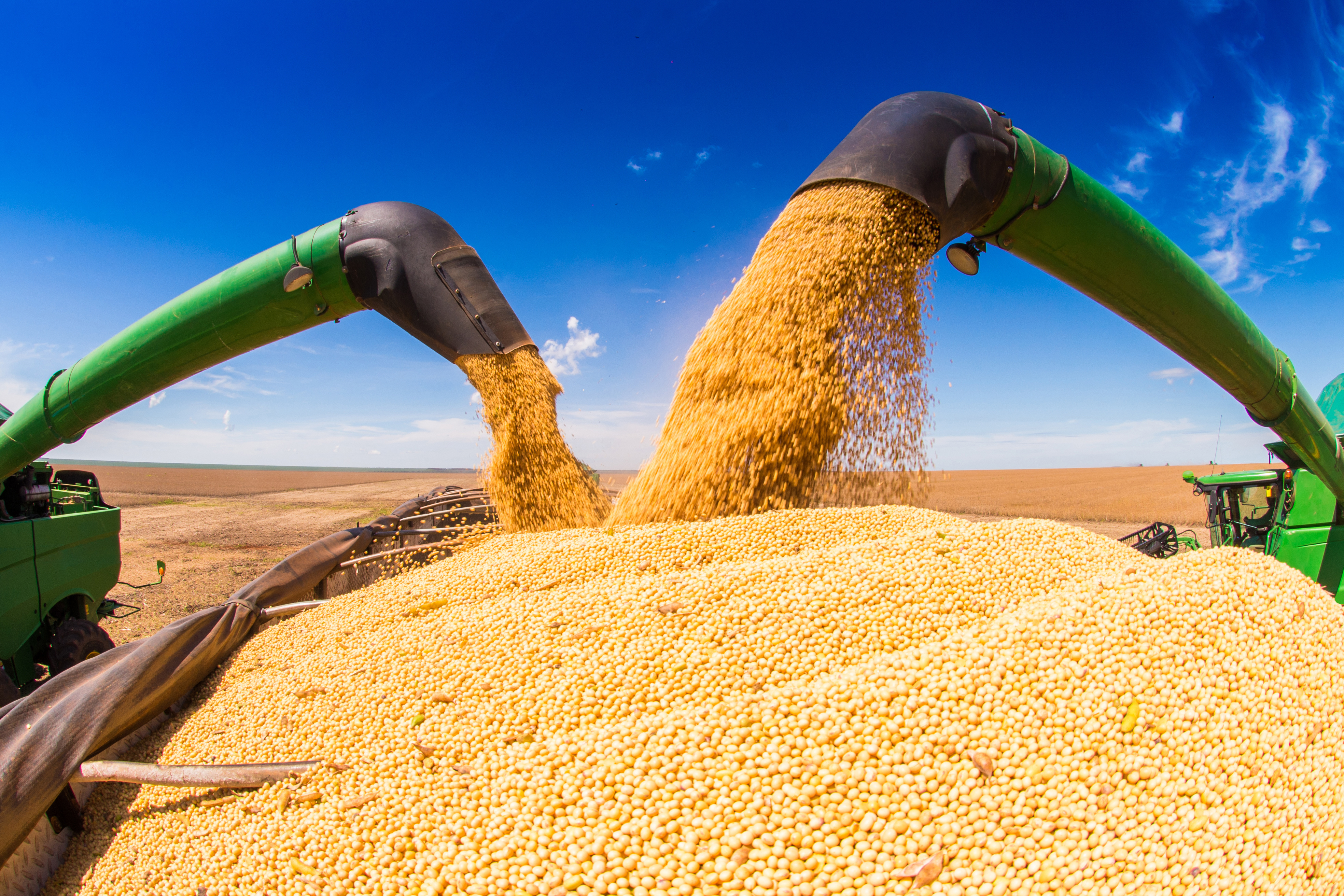
U.S. soybean export sales jumped 19 percent last week to 456,700 MT for 2025/26. Indonesia was the top buyer for the week, surpassing China. Mexico and Egypt were the next top destinations. Total net sales of 9,500 MT for 2026/27 were for Japan.
Weekly soybean exports fell one percent from the previous week to 995,300 metric tons (MT). About half of the shipments went to China.
China’s total commitments for the marketing year are sitting at 10.9 MMT, down 49 percent from the previous year and well below the five-year average. Commitments to non-China countries are running at a seven-year high due to slow Chinese purchases early in the season. Despite large demand outside of China, total commitments are running 19 percent lower than a year ago at 36.49 MMT.

U.S. wheat export sales jumped 49 percent higher last week to 455,400 MT for 2025/26. Mexico was the top buyer for the week, followed by China, and Japan. Net sales of 40,400 MT for 2026/27 were reported for Honduras, Colombia, and Nicaragua.
Exports were also 24 percent higher for the week at 432,000 MT. China was the top destination, followed by Mexico and Thailand. China has been appearing in export reports recently. The wheat shipments contained mostly white wheat.
Total exports and commitments for the marketing year rose to 23.66 MMT, sitting 11 percent higher than a year ago. Increased demand for HRW wheat has largely led the increase this season.

—
PAST PERFORMANCE IS NOT INDICATIVE OF FUTURE RESULTS. FUTURES TRADING INVOLVES SUBSTANTIAL RISK AND IS NOT SUITABLE FOR ALL INVESTORS.