The White House announced that it will scrap U.S. tariffs on beef, coffee, and other commodities after President Trump signed an executive order on Friday. Fertilizers will no longer be subject to tariffs, though some fertilizers were never subject to the duties, the White House said. The reciprocal tariff reduction will favor beef imports from…
The White House announced that it will scrap U.S. tariffs on beef, coffee, and other commodities after President Trump signed an executive order on Friday. Fertilizers will no longer be subject to tariffs, though some fertilizers were never subject to the duties, the White House said.
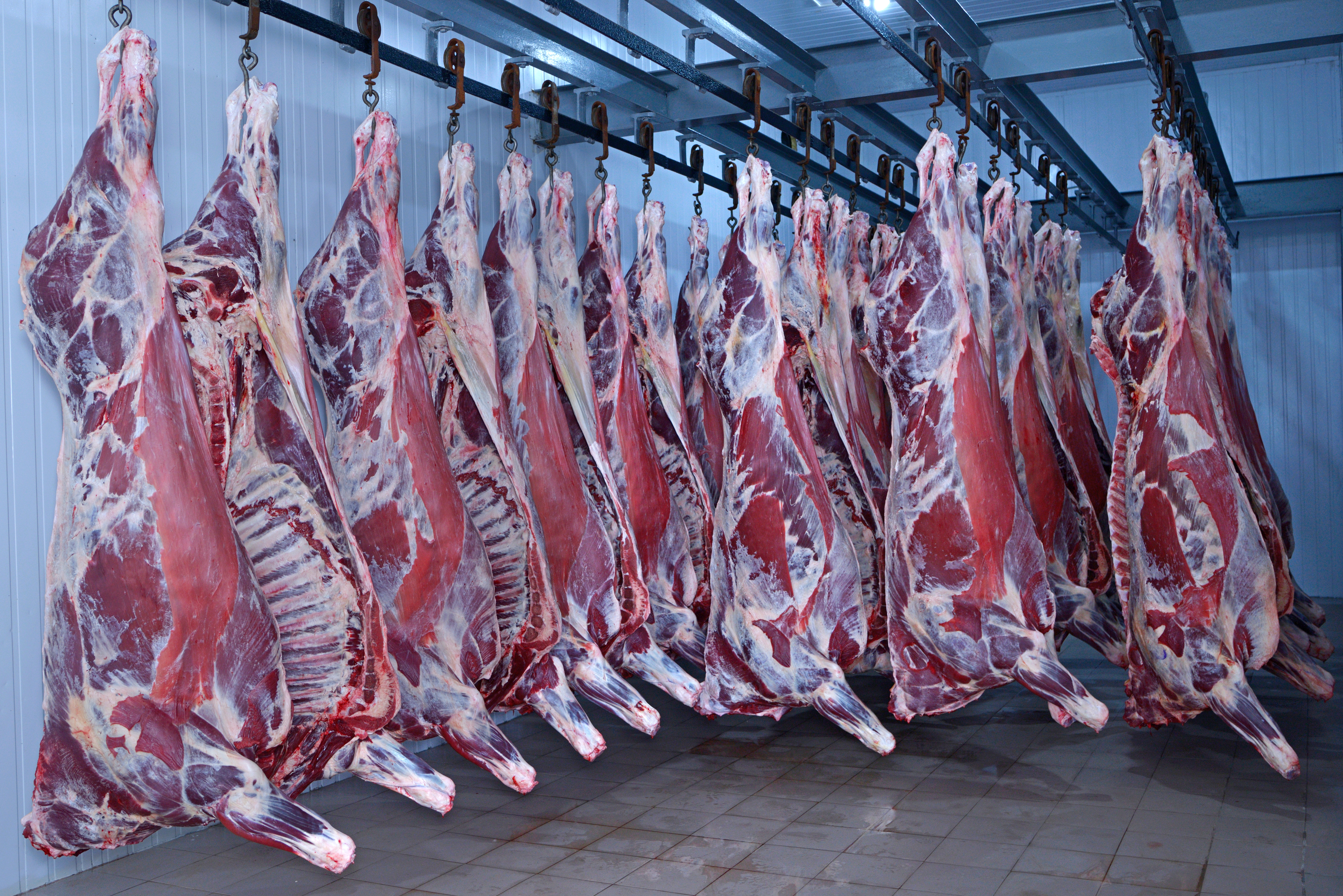
The reciprocal tariff reduction will favor beef imports from Australia, New Zealand and Argentina. A 40 percent duty remains on Brazilian exports outside of the reciprocal tariffs, particularly discouraging coffee and beef shipments from the country.
U.S. beef imports for the first seven months of this year were up about 30 percent year-over-year. Monthly data has been delayed due to the recent government shutdown. Reporting may not resume until early December.
The Trump administration announced trade frameworks with Argentina, Ecuador, Guatemala, and El Salvador on Thursday. The expected deals, which have yet to be finalized, will eliminate tariffs on certain products from those countries.
—
PAST PERFORMANCE IS NOT INDICATIVE OF FUTURE RESULTS. FUTURES TRADING INVOLVES SUBSTANTIAL RISK AND IS NOT SUITABLE FOR ALL INVESTORS.
Live and feeder cattle futures fell sharply Thursday amid renewed volatility and policy concerns. Traders remain wary as the Trump administration pushes for lower beef prices through investigating anti-competitive practices among meatpackers.
Cattle futures traded lower for a third consecutive session on Thursday as headline risk continued throughout the complex. The market has experienced increased volatility since falling from its contract highs in October.
Live cattle traded $6.40 lower on Thursday to $218.87 per cwt. Selling stopped short of the 200-day moving average, which has so far contained selling since last Thursday. Feeder cattle futures traded $9.25 lower, a limit down move, to $318.22.
Boxed beef prices moved lower this week, with the choice cutout trading near $374 per cwt, the lowest since Oct. 23. Prices continued to trade well above year-ago levels amid relatively tight domestic supplies.
The Trump administration seems highly focused on lower U.S. beef prices for consumers through various methods. President Trump recently called for the Justice Department to look into anti-competitive practices among meatpackers that could be keeping prices high. Additionally, the administration wants to explore expanding meatpacking capacity in the U.S. despite record-low cattle supplies.
Three factors to watch out for in the cattle markets moving forward will be Argentinian beef imports following the increased tariff quota, whether the Trump administration will remove tariffs on Brazilian beef, and if the administration reopens the border to cattle imports from Mexico.
—
PAST PERFORMANCE IS NOT INDICATIVE OF FUTURE RESULTS. FUTURES TRADING INVOLVES SUBSTANTIAL RISK AND IS NOT SUITABLE FOR ALL INVESTORS.
Cattle and hog futures rallied sharply Monday as optimism over a potential U.S. government reopening and bullish outside markets lifted sentiment. Expanded trading limits are set for Tuesday after feeder cattle hit limit-up. Renewed attention on GLP-1 weight loss drugs added further support for meat demand.
Livestock futures surged out of the gate on Monday following news of the U.S. government potentially reopening soon.
January feeder cattle futures traded $9.25 higher in a limit-up move on Monday to $328.82 per cwt. December live cattle futures briefly touched limit-up but closed off their highs for a $7.02 move to $228.37.
Outside markets caught a bid from the potential government reopening and inflationary comments from the president. Market exuberance likely seeped into the protein markets. Cattle futures will have expanded limits for tomorrow’s trade.
Eight Democrats are expected to join Republican senators to pass a funding bill that could reopen the government as early as this week. If passed, the bill would go back to the House before heading to the president’s desk.
Causing waves was President Trump’s latest social media post that signaled a potential $2,000 “dividend” for Americans that would come from funds raised through tariffs. U.S. Treasury Secretary Scott Bessent walked back the post.
News broke late last week that the Trump administration is working with pharmaceutical manufacturers to lower costs for GLP-1 weight loss drugs. Growing GLP-1 usage has been identified as a bullish driver for U.S. meat demand due to diet support favoring lean proteins, particularly chicken. However, beef and pork consumption could also get more attention from dieters.
Cash cattle trade was lower last week. Negotiated fed trade mostly $2 lower in the Western Corn Belt, with prices averaging $227.56 per cwt. Cattle were $3-$4 lower in the Texas Panhandle, with prices around $232.
Feeder steers and heifers in the South Central and Southeast regions sold steady to $10 higher last week. Calves in the North Central region sold $5-$10 higher.
February lean hog futures surged $3.47 higher on Monday to close at $82.82 per cwt. Speculative profit-taking likely led to the sharp gains after fund shorts had been piling into the February contract since falling from contract highs early last month.
Prices had broken a major support level last week at the July 15 low of $80.17. Bearish pressure could still limit gains due to seasonal weakness. Near-term resistance is around the 200-day moving average around $83.40.
—
PAST PERFORMANCE IS NOT INDICATIVE OF FUTURE RESULTS. FUTURES TRADING INVOLVES SUBSTANTIAL RISK AND IS NOT SUITABLE FOR ALL INVESTORS.
Live and feeder cattle futures rebounded Friday but remained sharply lower for the week after a broad selloff. Market sentiment was unsettled by uncertainty over the potential border reopening to Mexican cattle, even as beef fundamentals stay firm.
Cattle markets posted a slight recovery on Friday but did little to reverse this week’s harsh selloff to multi-month lows. December live cattle traded 2.57 higher to close at $221.35 per cwt. The contract posted moderate gains as prices attempted to pause their selling above the 200-day moving average yesterday. Futures still closed $8.32 lower on the week.
Prices were unable to recover from their selloff amid market uncertainty. The Trump administration continued to hold its view that beef prices are too high. In a Truth Social post on Friday, President Trump said he asked the Justice Department to begin an investigation into the meat packing industry.
The choice boxed beef cutout traded slightly lower than last Friday, finishing around $377.40 per cwt. Prices remain well above their seasonal highs, underpinning strong market fundamentals.
January feeder cattle futures traded $3.97 higher on Friday to $319.57 per cwt. Prices were able to hold above the 200-day moving average this week, which could provide some support after finishing $12.32 lower this week.
The CME Feeder Cattle Index bounced off their lows from earlier this week but finished slightly below last week at $347.19. More chatter has been emerging that it wouldn’t be surprising if the Trump administration reopened the southern border to Mexican cattle imports soon. USDA Secretary Brooke Rollins said recently that there is no timeline for resuming imports, but the uncertainty added to the recent market volatility.
Brazil’s beef exports continued to hit a record in October, totaling 321,000 metric tons. Year-to-date shipments rose to 2.47 million metric tons, up 27 percent year-over-year. Brazil has been able to shift supplies to China, as U.S. tariffs on Brazilian beef imports have shifted trade flows.
—
PAST PERFORMANCE IS NOT INDICATIVE OF FUTURE RESULTS. FUTURES TRADING INVOLVES SUBSTANTIAL RISK AND IS NOT SUITABLE FOR ALL INVESTORS.
Cattle futures resumed their risk-off mood this week as technical selling took futures limit-down on Wednesday. Feeder cattle auctions showed a recovery in optimism among cattle feeders as prices rose from last week’s sharp drop.
Live cattle and feeder cattle futures traded sharply lower on Wednesday as technical selling took over the complex. December live cattle traded $7.25 cents lower to close at $220.52 per cwt, marking a limit-down move to the lowest level in over seven months. January feeder cattle traded $9.25 cents lower to $325.72, also a limit move.
Cattle futures resumed their risk-off mood this week following a short-term recovery. The lack of willing buyers accelerated selling throughout the day and pushed prices below last week’s lows. That took futures limit-down throughout the deferred months.
Feeder cattle auctions continued to show improvement from last week’s negative mood. At the Phillip Livestock Auction in South Dakota, feeder steers weighing 500 to 700 pounds sold for $15 to $20 higher than the previous week. The CME Feeder Cattle Index fell as low as $343 per cwt this week, the lowest since Aug. 18. Cash feeder and live cattle prices continue to hold a premium over futures.
Choice boxed beef prices were mostly steady at midday on Wednesday. The cutout value rose 31 cents to $377.89 per cwt. Prices remained well above their seasonal averages.
—
PAST PERFORMANCE IS NOT INDICATIVE OF FUTURE RESULTS. FUTURES TRADING INVOLVES SUBSTANTIAL RISK AND IS NOT SUITABLE FOR ALL INVESTORS.
Feeder cattle prices bounced back at U.S. auction yards this week after last week’s futures-led selloff. Steers at Carthage, Missouri, sold $10-$40 higher, while optimism returned in South Dakota markets on Monday. Fundamentals remain firm with the smallest U.S. cow herd since 1961 and strong beef demand.
Cash feeder cattle prices at auction yards recovered to start this week following last week’s adjustment. Auction prices dropped sharply last week after a tumble in the futures market spooked cattle buyers.
Feeder steers sold $10-$40 higher at the Joplin Regional Stockyards in Carthage, Missouri, on Monday. That came after prices were $25-$40 lower last week.
Similarly, prices recovered in Worthing, South Dakota, after a steep drop. Cattle feeders were notably more optimistic about the market and were back to buying cattle at the same prices the market was before the recent meltdown. The CME Feeder Cattle Index was still under pressure by Monday, which fell to the lowest since Aug. 18 at $343.33 per cwt.
Nothing has changed fundamentally, despite the recent headlines. The U.S. cow herd is still at the lowest level since 1961, while beef demand is at an all-time high.
This week, USDA Secretary Brooke Rollins said the U.S. is not ready to reopen the border to Mexican cattle. Additionally, the decision will not be based on the Trump administration’s efforts to lower beef prices, Reuters reported. The border’s closure continues to restrict about 1 million head of cattle that typically enter U.S. feedlots annually.
CME feeder cattle futures have posted a slow recovery this week. January feeders traded $4.62 higher on Monday. Gains continued early on Tuesday before facing pressure before midday. A large gap from last week’s open remains. Futures may try to close the gap, and the January contract has plenty of time to do so before expiration.
December live cattle futures traded in a narrow inside range on Monday, lifting prices by $2.53.
The USDA also said on Friday that it will release its November Cattle on Feed report on Nov. 21 despite the government shutdown.
—
PAST PERFORMANCE IS NOT INDICATIVE OF FUTURE RESULTS. FUTURES TRADING INVOLVES SUBSTANTIAL RISK AND IS NOT SUITABLE FOR ALL INVESTORS.
Cattle futures found footing this week after steep losses pushed prices to two-month lows. Nearby live cattle contracts held above key support levels, suggesting potential for short-term consolidation. Despite softer boxed beef prices, tight cattle supplies continue to lend underlying support to the market.
Cattle futures attempted to rebound from recent losses this week. December live cattle traded moderately higher on Thursday to $231.17 per cwt following Wednesday’s surge. Earlier this week, prices slid to the lowest since August, wiping out two months of trade in just a few days.
Nearby futures holding above the $230 level today is positive and could allow the market to consolidate at current levels.
Choice boxed beef prices were lower for the first time this week, losing $3.11 on Thursday to $378.27 per cwt. Seasonally prices remain at historical levels. News from the Trump-Xi meeting last night did not bring any reports on meat purchases. However, tight cattle supplies should offset any additional export demand. China has been buying record amounts of beef from Brazil amid U.S. tariffs.
January feeder cattle traded 37 cents higher to $334.40. Tuesday’s reversal day may help stabilize prices here for the short term.
Cash feeder cattle markets have been on edge this week since the recent futures market selloff. The CME Feeder Cattle Index fell to $352 per cwt on Thursday, the lowest since Aug. 22.
—
PAST PERFORMANCE IS NOT INDICATIVE OF FUTURE RESULTS. FUTURES TRADING INVOLVES SUBSTANTIAL RISK AND IS NOT SUITABLE FOR ALL INVESTORS.
Cattle futures extended sharp losses this week as political headlines and market anxiety outweighed tight supply fundamentals. Live cattle broke key support levels while feeders saw steep declines, reflecting nervous sentiment despite continued strength in wholesale beef prices.
Cattle futures are working on a second week of sharp losses as market uncertainty begins to overshadow current fundamentals. The saying, “bull markets take the stairs up, and the elevator down, ” held true for the protein market over the past week or so.
Live cattle futures closed fractionally lower on Tuesday at $226.92 per cwt. The market blew through the $230 support level on Monday and touched limit-down before recovering some losses. That was also the first close below the 100-day moving average since April. The technical indicator also limited gains today.
The sharp selloff came as the Trump administration has been focused a lot on the cattle and beef industry recently, largely due to record beef prices. Last week, the administration released a package that includes increased access for grazing on federal lands, increased insurance subsidies, and lowered production costs.
USDA Secretary Brooke Rollins also mentioned boosting processing capacity. However, the measure may have a limited impact due to extremely low cattle supplies.
Additionally, the Trump administration announced its plan to raise its tariff-rate quota (TRQ) for Argentine beef in a bid to lower beef prices. Bloomberg reported that the TRQ would be raised to 80,000 metric tons (MT), quadruple the current level.
U.S. beef imports from Argentina had already been increasing over the past year due to strong beef demand, according to U.S. Census data. Still, shipments from the country only accounted for about two percent of total beef imports in 2024 despite a 37 percent increase from the previous year.
Despite the negative headlines, wholesale beef prices continued to move higher to start the week. The choice cutout value rose to $378.68 per cwt by midday on Tuesday, which followed a $2.12 gain on Monday. Prices are now trading at the highest in about a month.
January feeder cattle traded $9.62 lower to close at $324.80 per cwt. Prices took advantage of their expanded trading limits, as feeders closed limit-down on Monday after a gap open lower, and again traded more than $12 lower today before recouping some losses.
Feeder cattle auctions last week showed a step back in prices but remained relatively stable. However, uncertainty over the past few days led to a sharp drop in auction prices on Monday. Feeder steers sold $25-$40 lower at the Joplin Regional Stockyards in Carthage, Missouri. Similar declines were reported in Worthing, South Dakota, where yearling steers and heifers sold $25-$30 lower.
—
PAST PERFORMANCE IS NOT INDICATIVE OF FUTURE RESULTS. FUTURES TRADING INVOLVES SUBSTANTIAL RISK AND IS NOT SUITABLE FOR ALL INVESTORS.
Live cattle futures rebounded this week following last week’s drop, supported by firmer wholesale beef prices and stronger cash trade. Feeder cattle saw more modest gains, with the market digesting the impact of rising Argentine beef imports.
Live cattle futures recovered this week following last week’s gap open lower, though gains have been limited in the feeders market. December live cattle traded $1.77 higher on Tuesday to $245.42 per cwt.
The market has been digesting implications from the Trump administration’s comments about increasing beef imports from Argentina. The U.S. has already been importing larger volumes of Argentine beef; imports are up 42 percent this year as of July, according to the most recent U.S. Census data. Meanwhile, imports from Brazil are likely lower due to high tariffs on the country.
Wholesale beef prices recovered in recent weeks, with the choice cutout rising to the highest since late September. The USDA cutout index rose to $372 per cwt and is sitting comfortably above year-ago levels.
Fed cash cattle prices have been improving again. Negotiated sales of fed cattle in the Southern Plains sold $5 higher last week at $240 per cwt. In Nebraska, prices were $5 to $6 higher.
On the feeder cattle front, November futures traded about $1.22 higher on Tuesday to $370.40. Prices have been more reluctant to trade higher than live cattle. Friday’s limit-down move proved that prices can fall much faster than they go up.
The CME Feeder Cattle Index fell for a second day but is only a few dollars lower than its all-time high at $373. Feeder cattle demand was very good last week before Friday’s limit-down trade. Steers and heifers both traded sharply higher than the previous week.
The USDA would have published its monthly Cattle on Feed report on Friday, absent of a government shutdown. A Bloomberg survey of analyst estimates predicts that the Oct. 1 feedlot inventory would have been 2 percent lower than a year ago. Additionally, September placements are expected to have dropped nearly 9 percent compared to last year.
Unfortunately, the report would have also shown the percentage of heifers in feedlots to signal more clues about the status of herd expansion.
—
PAST PERFORMANCE IS NOT INDICATIVE OF FUTURE RESULTS. FUTURES TRADING INVOLVES SUBSTANTIAL RISK AND IS NOT SUITABLE FOR ALL INVESTORS.
Cattle markets tumbled Friday after President Trump said his administration had reached a deal to lower beef prices for consumers. The remarks sent live and feeder cattle futures sharply lower, erasing recent gains from record highs.
Cattle futures were rocked hard Friday morning after comments from President Trump the previous day. Live cattle and feeder cattle prices both opened sharply lower, with January feeders touching limit-down within the first minute of trading.
On Thursday, Trump said his administration struck an agreement to bring down the price of beef for consumers, Bloomberg reported.
“We are working on beef, and I think we have a deal on beef that’s going to bring the price down,” he said at the White House yesterday afternoon.
Trump didn’t provide any details, but the comments come after the president hosted Argentinian President Javier Milei to discuss trade and financing. The U.S. has already been increasing its shipments of beef from Argentina this year. Volumes imported from January to July are up 42 percent compared to a year ago.
January feeder cattle are trading $9.25 lower on Friday at $369.30 per cwt, a limit-down move. December live cattle futures are trading more than $5 lower this morning at around $242.57.
Fats and feeders had been posting contract highs this week, as tight supplies continued to underpin the market.
—
PAST PERFORMANCE IS NOT INDICATIVE OF FUTURE RESULTS. FUTURES TRADING INVOLVES SUBSTANTIAL RISK AND IS NOT SUITABLE FOR ALL INVESTORS.
Live cattle futures climbed to new records Monday, supported by stronger cash trade and shrinking slaughter numbers. Feeders also reached fresh highs, while beef prices softened slightly but remained well above seasonal levels amid tight supplies and firm demand.
Live cattle futures surged to new contract highs early on Monday and continued to post fresh highs throughout the session. December live cattle traded $2 higher and finished at a new contract high close of $244.55 per cwt. On the charts, prices broke out above a technical pattern on Friday, with prices finishing at a new high close for the contract. Buying momentum continued on Monday as prices followed the upside breakout feeder cattle posted early last week.
Cash trade was fairly inactive for much of the week. That held true for Friday in the Texas Panhandle. However, light to moderate demand in Kansas brought live purchases $2 higher than the previous week. Meanwhile, moderate negotiated trade in Nebraska pushed live purchases $4-$5 higher. Live purchases in the Western Corn Belt were $1-$5 higher.
Federally inspected cattle slaughter totaled 547,000 head last week, down 15,000 head from the previous week and 38,300 head lower than the same week last year. Beef packers are likely chasing fewer supplies higher as estimated slaughter hit an eight-week low.
Beef prices remained weak to start the week. The choice cutout dipped another $1.66 lower on Monday to $363.91 per cwt. Domestic and international demand for U.S. beef remains strong despite the recent dip in wholesale values. Prices continued to sit well above their seasonal highs amid the underlying tightness in cattle supplies.
November feeder cattle traded just 45 cents higher on Monday to $376.35 per cwt. Trade was much more quiet than live cattle, though prices still posted fresh contract highs. Prices broke above a technical level on Tuesday and stomped to new contract highs the rest of the week.
The CME Feeder Cattle Index renewed its strength last week and early this week, with the index posting a fresh all-time high of $369 per cwt on Monday.
—
PAST PERFORMANCE IS NOT INDICATIVE OF FUTURE RESULTS. FUTURES TRADING INVOLVES SUBSTANTIAL RISK AND IS NOT SUITABLE FOR ALL INVESTORS.
A lack of bullish news drug cotton futures to new contract lows on Wednesday. Traders are waiting on government data to show if the recent lows have helped drum up export business.
Cotton futures found new contract lows this week as a lack of bullish news for the market led to continued chart weakness.
December cotton traded as low as 64.16 cents a pound on Wednesday, taking out the “Liberation Day” low of 64.24 cents. Prices did rally off those lows, but follow-through buying on Thursday has been lackluster.
Export sales have not been reported for a second week due to the government shutdown. It would be interesting to see if the lower prices are drumming up more export sales from key buyers.
Money managers are likely holding a record net short position following the recent washout, or they are close to it. That increases the likelihood of a short-covering rally, but the buying could be limited if the fundamentals don’t support higher prices.
—
PAST PERFORMANCE IS NOT INDICATIVE OF FUTURE RESULTS. FUTURES TRADING INVOLVES SUBSTANTIAL RISK AND IS NOT SUITABLE FOR ALL INVESTORS.